Militaria collector's guides
Inheriting a trunk, hesitating over a listing, not knowing whether you are allowed to sell: these situations come up again and again. Here is what we have written to answer them, without jargon and without loose claims.
-
What is militaria? Definition, periods, rules
Militaria means military objects turned collectors' items: helmets, uniforms, medals, insignia, papers. What people collect, and what French law regulates.
-
Starting a militaria collection without getting it wrong
Choose a theme, set a budget, learn before you buy, document every piece: the rules that spare you the costly mistakes of first purchases.
-
Where to buy militaria, and how to go about it in each place
Fairs and shows, auction houses, dealers and gunsmiths, flea markets, listing sites: what you find in each, what you pay, and the reflexes to have before spending.
-
Inheriting military items: where to start, and in what order
Polishing, washing, taking apart: a few seconds are enough to destroy a piece's value. How to identify, preserve and sell an inheritance.
-
Selling militaria in France: what is allowed, what is not
Medals, helmets, bayonets, deactivated weapons, inert ammunition: what may be sold freely, what is prohibited, and what to check before listing.
-
Spotting a reproduction or a fake: the seven-point method
An aged reproduction fools the eye, not the method. Seven concrete checks to tell a period piece from a copy before you buy.
-
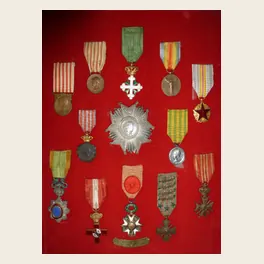
Identifying a French First World War medal
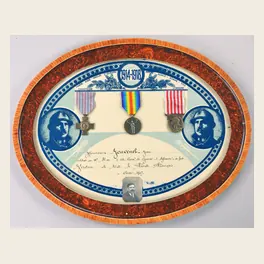
Croix de guerre, Médaille militaire, commemorative, Victory and Verdun medals: how to identify a French WW1 decoration and what makes its value.
-
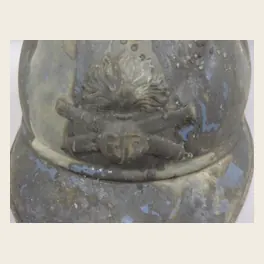
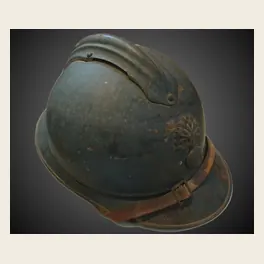
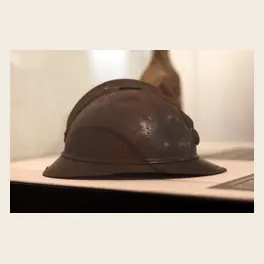
Identifying a 1915 Adrian helmet
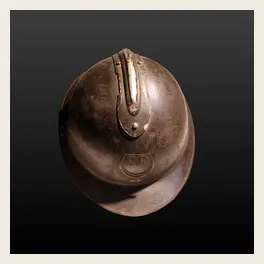
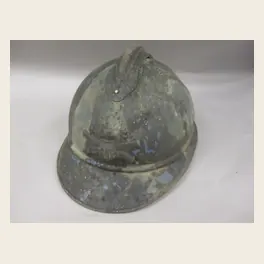
The French WW1 Adrian helmet: how many parts, which crest, which badge, which liner. How to tell it from the 1926 model and from copies.
-
Caring for military leather, textile and metal: the minimum rule
Dry leather, moth-eaten wool, rusted metal: what to do, what never to do, and why doing nothing is often the right call.
-
Valuing an Adrian helmet
There is no official price guide. The six criteria that open the gap between two Adrian helmets, and how to reach an honest order of magnitude.
-
Identifying and dating a French military insignia
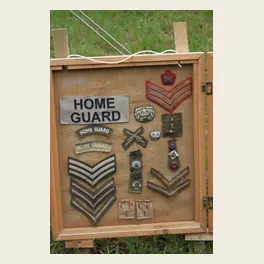
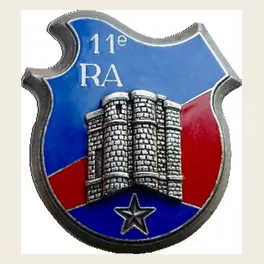
The back of an insignia says more than its face: maker, fastening, approval number. How to place a striking and spot a recent restrike.
-
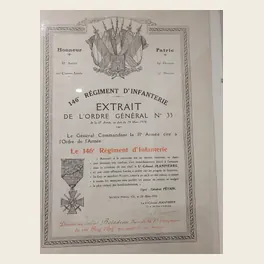
Reading a Croix de guerre 1914-1918
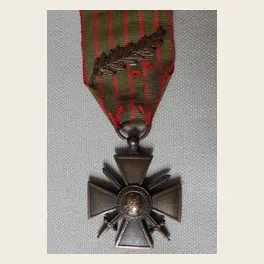
What the stars, palms and reverse date of a French WW1 Croix de guerre really mean, how to trace the soldier who earned it, and what drives its value.
-
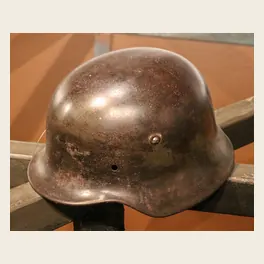
Identifying a German helmet from 1935 to 1945
The rim, the vents and the skirt stamps separate the three models in a minute. And why the decals are the most faked element on the market.
-
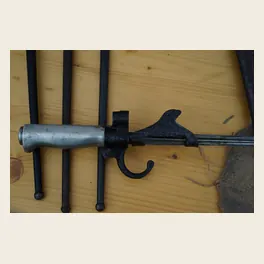
Identifying a French bayonet
Chassepot, Gras, Lebel, Berthier, MAS 36: the blade section gives the model, the numbers tell you whether the piece is still matched.
-
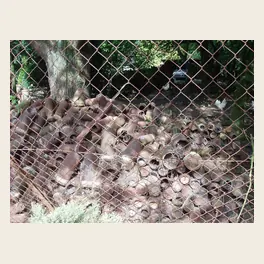
Old munitions: what to do
A century underground does not make a munition inert. How to recognise what is dangerous, who to call, and what you may lawfully keep.
-
Dating a French military uniform
The cloth gives the period, the inner label gives the year, the collar tabs give the unit. The four places to look, in order.
-
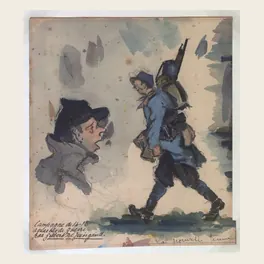
Reading and keeping military photographs and documents
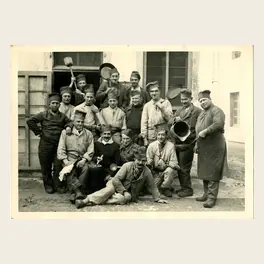
The back of a postcard dates the print, the service record book opens the archives. How to identify a soldier, and store papers without destroying them.
-
Militaria glossary
Shell, crest, stamp, restrike, mounting, fourragère: the words used in listings and appraisals, each defined in one sentence.
-
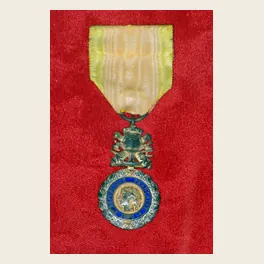
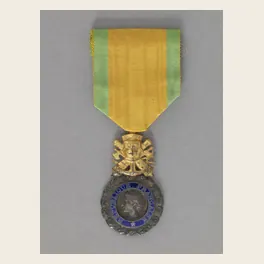
The French Médaille militaire: recognising it, dating it, tracing its holder
Eagle or trophy, enamel, hallmarks, award document: how to date a French Médaille militaire, trace its holder and understand what drives its value.
-
Valuing a military item: the method, from identification to price
Medal, helmet, uniform, bayonet, papers: how to find the real value of a military item, where to look up prices, and which traps to avoid.
-
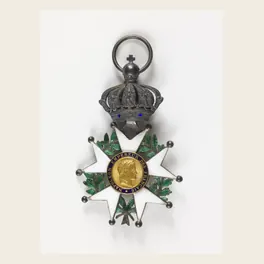
The Legion of Honour: recognising the grade, dating the cross, tracing the holder
Knight, officer, commander; Empire, monarchy or Republic: how to date a Legion of Honour cross, trace its holder and place its value.
-
Tracing a French WW1 soldier's decorations
Croix de guerre, Médaille militaire, Legion of Honour: no single list of French WW1 recipients exists. Service records, Journal officiel, Léonore: where to look.
-
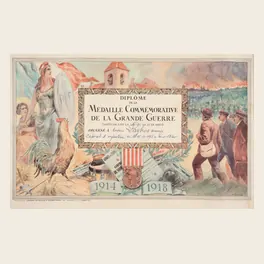
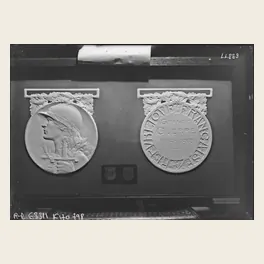
The French Great War commemorative medal and the Inter-Allied Victory medal
White ribbon striped with red, rainbow Victory ribbon: recognising the two medals almost every poilu received, dating a strike, tracing the recipient.
-
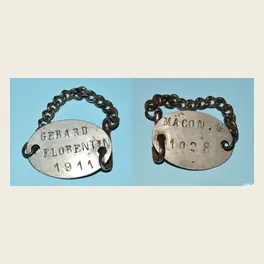
Reading a military identity disc and tracing the soldier who wore it
The 1881 oval disc, the 1918 breakable tag, American, British and German tags: what each marking means, and how to get from the service number to the man.
-
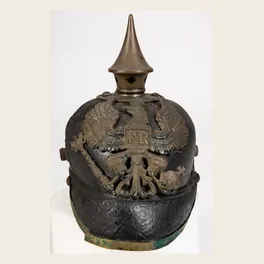
Identifying and dating a German spiked helmet, from the 1842 to the 1915 model
Models 1842 to 1915, state plates, BA depot stamps, cockades, chinstraps, removable spike: a method to recognise, date and judge a German spiked helmet.
-
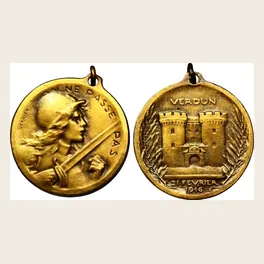
The Verdun medal: telling the types apart, reading the diploma, judging the value
Created by the town of Verdun in November 1916, never official: Vernier, Prud'homme, Révillon and Augier types, ribbon, clasp, Livre d'Or diploma, how to assess one.
-
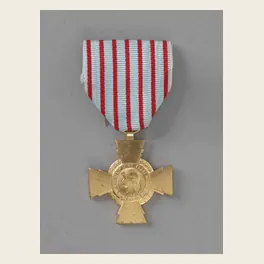
The Croix du combattant: what it says about an ancestor, and where to find his card
The French Combatant's Cross of 1930: Doumenc's design, horizon-blue ribbon with red stripes, 1939-1940 variant, volunteer's cross, and the card in the archives.