WW2 militaria for sale
Listings for sale
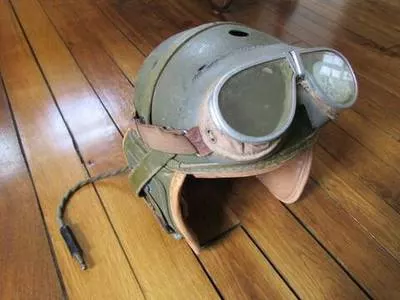
WW2 US TANK CREW HELMET
250 €
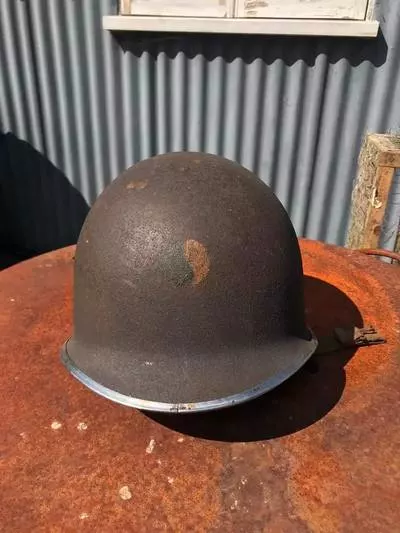
ORIGINAL US WW2 HELMET
300 €
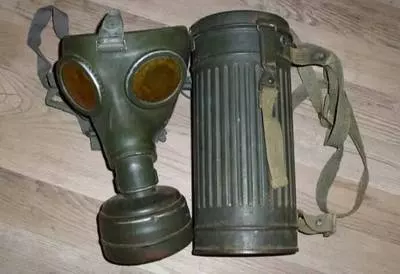
COMPLETE GERMAN GAS MASK, WW2
130 €
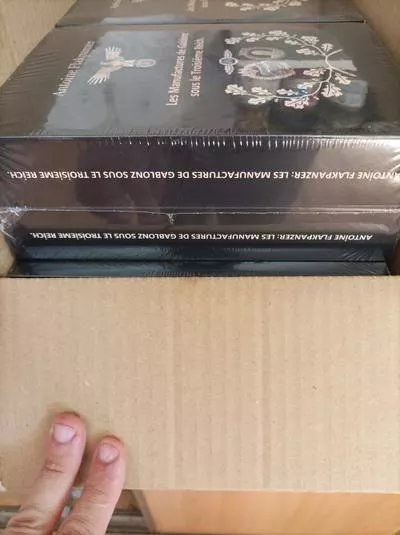
A book on identifying reproductions of Third Reich combat insignia
75 €
Guides for these pieces
- Identifying a German helmet from 1935 to 1945The rim, the vents and the skirt stamps separate the three models in a minute. And why the decals are the most faked element on the market.
- Selling militaria in France: what is allowed, what is notMedals, helmets, bayonets, deactivated weapons, inert ammunition: what may be sold freely, what is prohibited, and what to check before listing.
- Spotting a reproduction or a fake: the seven-point methodAn aged reproduction fools the eye, not the method. Seven concrete checks to tell a period piece from a copy before you buy.
Have pieces from this period? List them for free: they will be seen by the collectors browsing this page.
Collecting Second World War militaria
It is the most collected field, and therefore the most faked. The reason lies in the nature of the conflict: between 1939 and 1945, several armies followed and crossed one another on French soil, so that a single département may have seen French, German, British and American equipment pass through. The field is immense, the ways in are many, and the literature is abundant.
A very wide field
Helmets give the measure of this diversity, from the German 1935 model to the American M1 introduced in 1941, each produced in variants that collectors distinguish closely. Alongside them, field equipment, insignia, unit papers and the everyday objects of the soldier's life make up most of what changes hands.
Authenticity and the legal framework
The price of this popularity is a long-established and skilled reproduction industry. Insignia are the first affected, because they are small, expensive by weight and easy to produce. Maker's marks, where they exist, give a first reference, but many period pieces carry none and the marks themselves are copied. An unmarked piece is therefore not suspect in principle: it is the consistency of the whole, material, weave or striking, finish, wear and provenance, that decides. The story of the providential attic is not proof. Our guide to spotting fake militaria sets out this method in detail.
Part of this material bears the insignia of regimes that no longer exist. On Athena Militaria, such pieces are presented strictly as collection and memory items, with no ideological value, and their circulation is subject to a precise legal framework, detailed in our guide to selling militaria legally in France.