WW1 misc. items for sale
Listings for sale
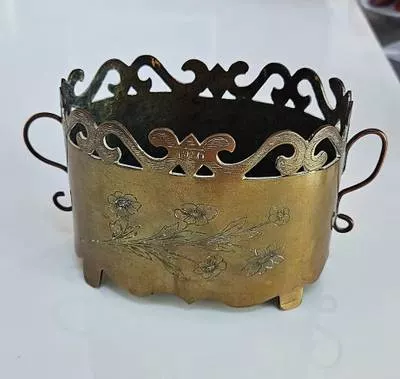
Verdun 1916 Pot: Trench Crafts
€35
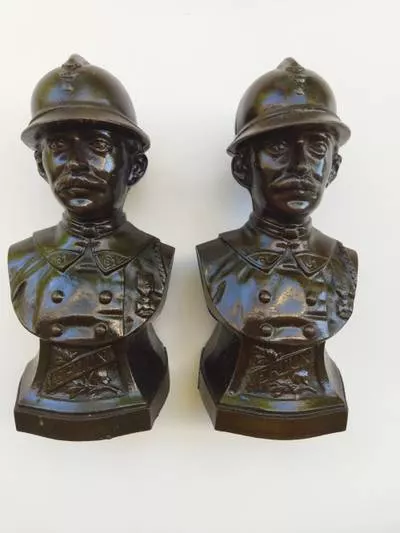
2 Busts of soldiers from the First World War (1914–1918)
€110
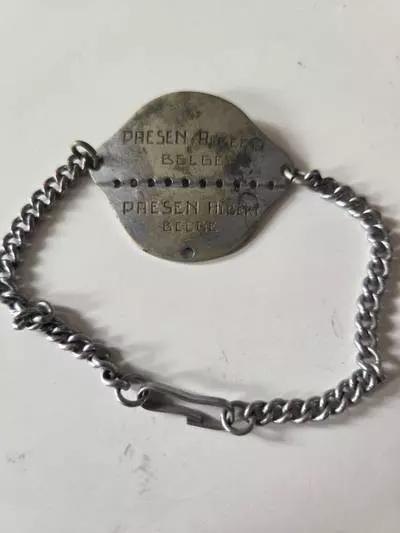
WW1 identity tags – Belgian tags
€40
Other pieces for sale from the same period
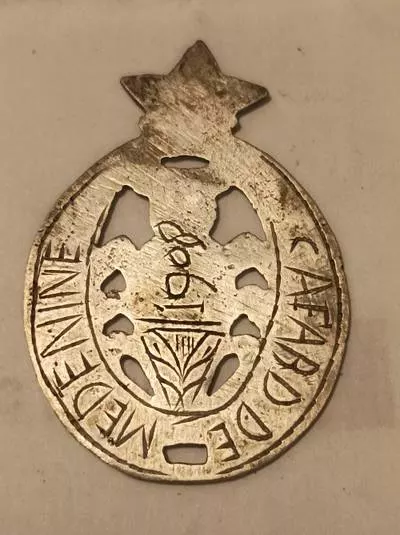
Guides for these pieces
- Reading a military identity disc and tracing the soldier who wore itThe 1881 oval disc, the 1918 breakable tag, American, British and German tags: what each marking means, and how to get from the service number to the man.
- Old munitions: what to doA century underground does not make a munition inert. How to recognise what is dangerous, who to call, and what you may lawfully keep.
- Reading the markings on a French military item: stamps, punches and numbersFrench military markings explained: blade inspection stamps, uniform stamps, serial numbers and Paris Mint marks. Where to find them and how to read them.
- Spotting a reproduction or a fake: the seven-point methodAn aged reproduction fools the eye, not the method. Seven concrete checks to tell a period piece from a copy before you buy.
- Caring for military leather, textile and metal: the minimum ruleDry leather, moth-eaten wool, rusted metal: what to do, what never to do, and why doing nothing is often the right call.
Have pieces from this period? List them for free: they will be seen by the collectors browsing this page.
Collecting trench art and objects from the front (1914-1918)
This heading gathers the objects that are neither a uniform, nor a weapon, nor a decoration: trench art, identity discs, the soldier's personal belongings and souvenirs brought back from the front. It is the liveliest part of the period, and the hardest to date: these objects were seldom made to a pattern, and even more seldom marked.
What an excavation teaches
First World War archaeology provides a firm reference point here. In Arras, during the excavation of the Actiparc development zone, a trench that British maps called Tilloy Trench yielded the remains of a workshop: a great many offcuts of brass shell cases and aluminium canteens. According to the French Ministry of Culture, these objects were probably made by German prisoners of war, held on the spot until 1919 to put the Arras-Lens railway back into service. The shell cases, picked up on the nearby battlefield, were cut and then flattened into sheet metal; the tools themselves, punch, file and small hammers, had been made from heavy artillery igniters. The workshop turned out paper knives, belt buckles, matchbox covers, inkwells, candlesticks, souvenirs in the shape of a British tank, and non-regulation oval identity tags cut from the aluminium of canteens.
Dating and attribution
Two lessons follow. Trench art is not always the work of the soldier who brought it home, and the age of the shell case is not the age of the work: a case from the early war may have been worked years later. An engraved name, place or year proves no more, since it may have been added at any time. With these pieces, provenance weighs more than the object: a photograph, a letter or a service book that mentions it, a family line of transmission that can be traced. Even patina down to the bottom of the engraving and wear where the hand rests are good signs; crisp decoration on otherwise tired metal needs explaining. Likewise, an oval identity disc is not necessarily a regulation one: our guide to reading a military identity disc helps tell the difference and trace the soldier.
Before buying a shell case or a shell
Shell cases call for more caution than people think, and a shell whose contents are unknown is never a display piece, however old it is. Before buying, transporting or listing anything that looks like a munition or one of its components, read our guide old munitions: what to do, which sets out what the law and safety require. For the most copied pieces, see also how to spot a reproduction or a fake.
The Athena Militaria catalogue
Athena Militaria brings together listings from collectors, flea-market hunters and heirs with a passion for history. Each piece is put online by its seller, with their own photos, description, condition and shipping location: they set their price and delivery options, you write to them directly and can offer yours. The filters at the top of the page narrow your search by price, condition, town or date of publication, and the arrangement by period and sub-category takes you straight to your collecting field.
Buying with confidence
Before committing, look at the photos in full size and read the description of the condition. Markings are often the most telling clue: maker's stamps, hallmarks, numbers or sizes inside a helmet or on a cap. If they do not show, ask the seller for them through the messaging, along with more photos or details on the provenance, then make an offer. When the listing shows “Buy”, you pay through Stripe with Buyer Protection: the seller is only paid after you confirm receipt. Our team checks listings of weapons and Second World War pieces before publication. The whole process is explained on the how it works page and in security and payments. Want to part with a piece? Publish a listing in a few minutes.