Cold War medals for sale
Listings for sale
Pieces in this section are listed by collectors themselves, as they put them up for sale.
Have one to sell? Listing is free. List a piece
Other pieces for sale from the same period
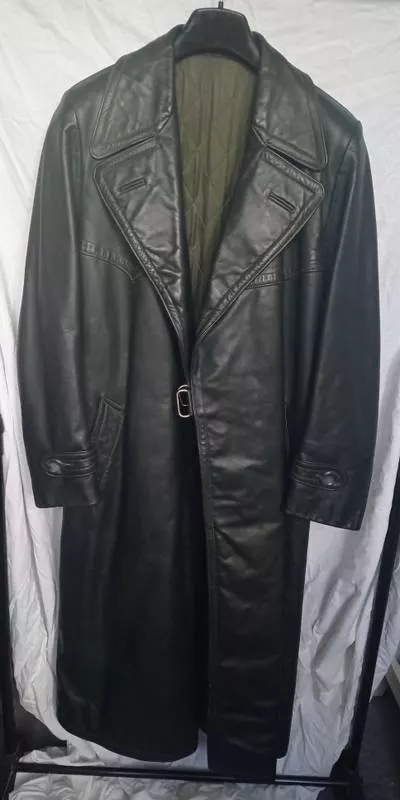
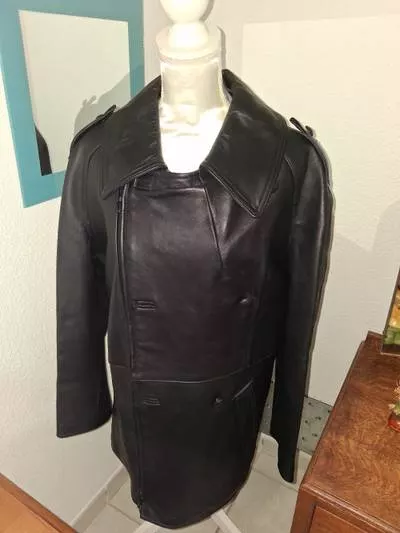
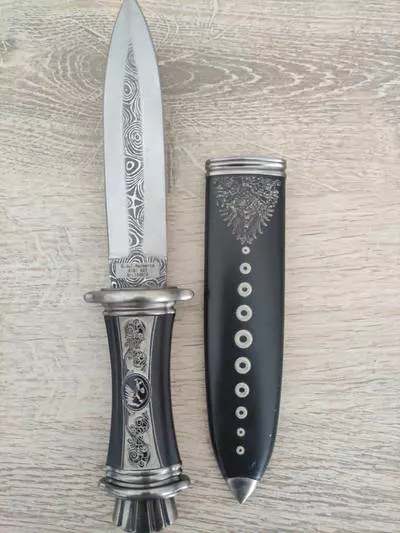
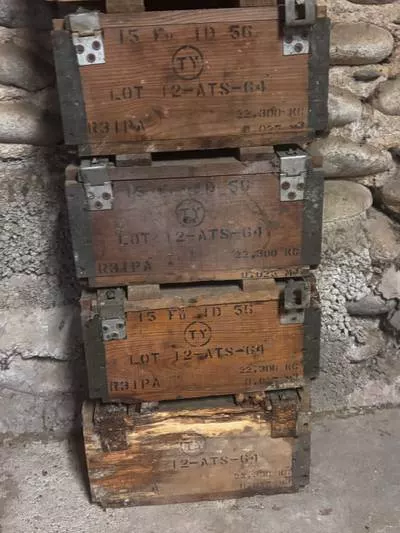
Guides for these pieces
- The French Overseas Medal: reading its clasps, tracing an awardThe French Overseas Medal, with or without a clasp: what it is awarded for, the Tchad, Liban, Moyen-Orient and Sahel clasps, the Colonial Medal, the records.
- The French National Defence Medal: reading its grades, clasps and papersFrench National Defence Medal, created in 1982: bronze, silver and gold grades, the points rule, current clasps, the citation star, certificates and copies.
- The Croix du combattant: what it says about an ancestor, and where to find his cardThe French Combatant's Cross of 1930: who is entitled to it today, Doumenc's design and ribbon, the volunteer's cross, and how to find an ancestor's card.
- The French Médaille militaire: recognising it, dating it, tracing its holderEagle or trophy, enamel, hallmarks, award document: how to date a French Médaille militaire, trace its holder and understand what drives its value.
- Getting a military item appraised: who to ask and what to expectMilitaria expert, auctioneer or museum: who can appraise a military item in France, which titles are protected, and what a certificate must state.
Collecting Cold War medals and decorations (1947-1991)
The Indochina and Algerian wars have their own categories: this one gathers the other decorations from 1947 to 1991. On the French side you will come across the Korea medal, created in 1952 and recognisable by its pagoda-roof suspender, and the Middle East operations medal, instituted in 1957 for the Suez intervention. The Croix de la Valeur militaire, born in 1956 for North Africa, was extended to other theatres, the colonial medal became the Médaille d'outre-mer in 1962, and the Médaille de la Défense nationale, the national defence medal, was created in 1982. To these are added the decorations of the Eastern bloc, some of them awarded on a massive scale: the medal for the 70th anniversary of the Soviet Armed Forces, created in 1988, had some 9.8 million recipients as of 1 January 1995.
The ribbon and the clasp
A clasp names a theatre, not a war: “Moyen-Orient” appears on the clasp of the Suez medal, with its light blue ribbon striped with yellow and its reverse dated 1956, and also on that of the Médaille d'outre-mer, with its sky blue ribbon striped with white, awarded for the 1991 Gulf War. On the national defence medal, the edging of the ribbon gives the grade: none for bronze, white for silver, yellow for gold. In the East, the Soviet medal “For Impeccable Service”, created in 1958, carries on its ribbon one yellow stripe for twenty years, two for fifteen, three for ten.
Obverse, reverse and made-up groups
On the medal for faithful service in the East German army, instituted in 1956, the national flag on the obverse only bears the state coat of arms from 1960 onwards. On the reverse, a Soviet order carries a serial number, which is repeated in its holder's order book. Sought-after pieces are copied or restruck, ribbons are swapped and groups are made up for sale: match each decoration with its order book, certificate or diploma.
Still awarded today, the national defence medal, the Médaille d'outre-mer and the Croix de la Valeur militaire may belong to a living, identifiable person, in which case they are sold here with the holder's consent, under the rules for selling decorations. See also our guides to Cold War militaria, to French Indochina War decorations and to French Algerian War medals.
The Athena Militaria catalogue
Athena Militaria brings together listings from collectors, flea-market hunters and heirs with a passion for history. Each piece is put online by its seller, with their own photos, description, condition and shipping location: they set their price and delivery options, you write to them directly and can offer yours. The filters at the top of the page narrow your search by price, condition, town or date of publication, and the arrangement by period and sub-category takes you straight to your collecting field.
Buying with confidence
Before committing, look at the photos in full size and read the description of the condition. Markings are often the most telling clue: maker's stamps, hallmarks, numbers or sizes inside a helmet or on a cap. If they do not show, ask the seller for them through the messaging, along with more photos or details on the provenance, then make an offer. When the listing shows “Buy”, you pay through Stripe with Buyer Protection: the seller is only paid after you confirm receipt. Our team checks listings of weapons and Second World War pieces before publication. The whole process is explained on the how it works page and in security and payments. Want to part with a piece? Publish a listing in a few minutes.